Agro & Food Products
Makhana (Fox Nuts)
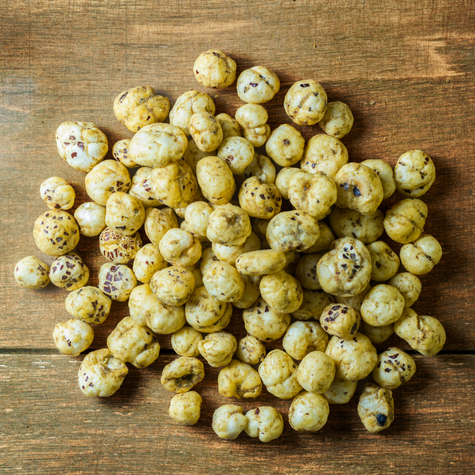
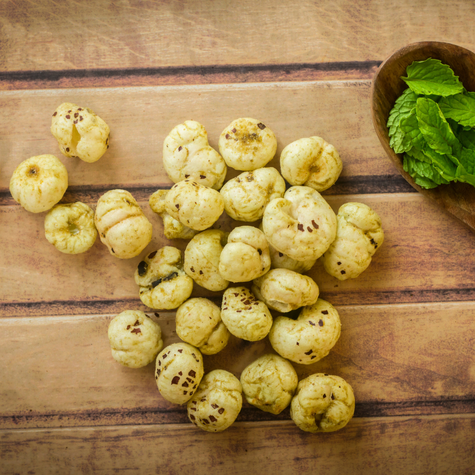
Makhana, also known as fox nuts or lotus seeds, is a nutritious seed harvested from the Euryale Fox plant, commonly found in water bodies across India and parts of Asia. These small, white, crunchy seeds are highly valued for their health benefits and are often consumed as a healthy snack or used in traditional Indian dishes. Makhana is rich in protein, fiber, antioxidants, and essential minerals like magnesium, potassium, and calcium, making it beneficial for heart health, weight management, and digestion. Additionally, it has a low glycemic index, making it suitable for diabetics. Its light, crispy texture and mild flavor make it versatile for roasting, seasoning, or adding to sweets and savory recipes.

Saffron
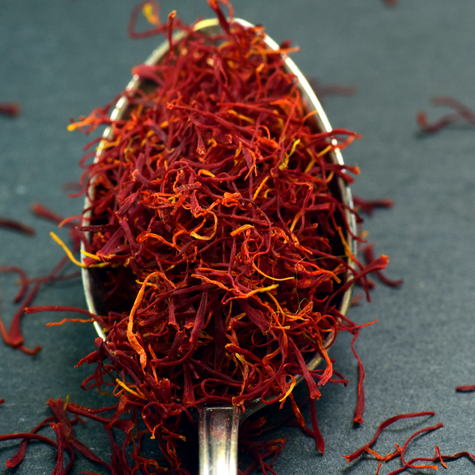
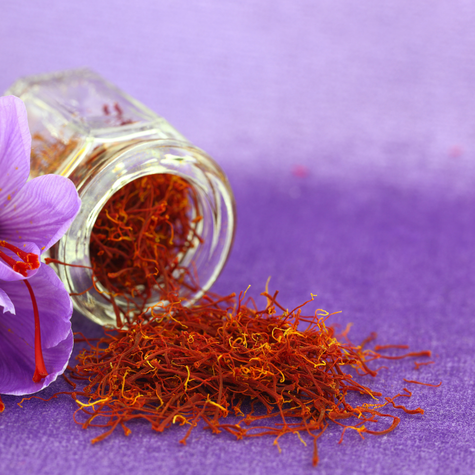
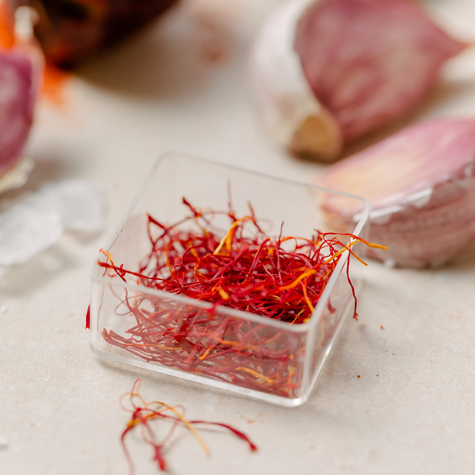
Saffron is a highly prized spice derived from the dried stigmas of the Crocus sativus flower, often called the “saffron crocus.” Known for its vibrant golden-yellow color, distinctive aroma, and slightly sweet, floral taste, saffron has been used for centuries in cooking, medicine, and dyeing. It is one of the most expensive spices in the world due to the labor-intensive process of hand-harvesting each tiny stigma from thousands of flowers. Saffron is commonly used in dishes like paella, biryani, risotto, and various desserts, imparting a rich color and unique flavor. Beyond its culinary uses, saffron is also valued for its potential health benefits, including antioxidant properties, mood enhancement, and anti-inflammatory effects.
Coffee
Coffee is a popular beverage made from roasted coffee beans, which are the seeds of the Coffea plant. Originating from Ethiopia, coffee is now grown in many parts of the world, especially in tropical regions. It is known for its rich aroma, bold flavor, and stimulating effects, primarily due to its caffeine content. Coffee is enjoyed globally in many forms—espresso, latte, cappuccino, and more—often serving as a morning energizer or social ritual. Besides its taste and energizing properties, coffee contains antioxidants and has been linked to various health benefits, such as improved focus, reduced risk of certain diseases, and enhanced physical performance.



Cardamom
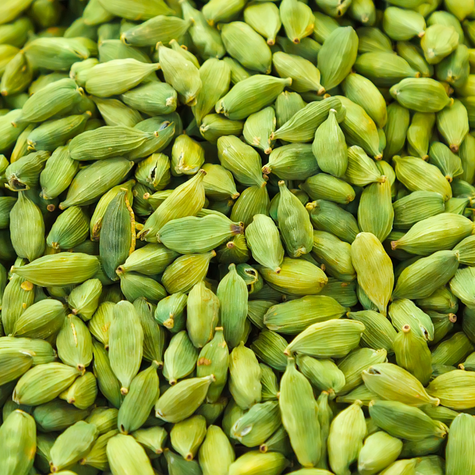
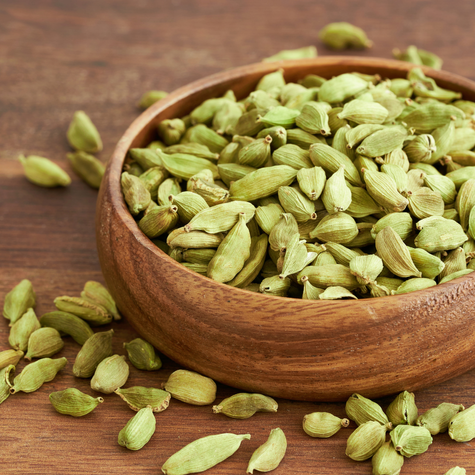
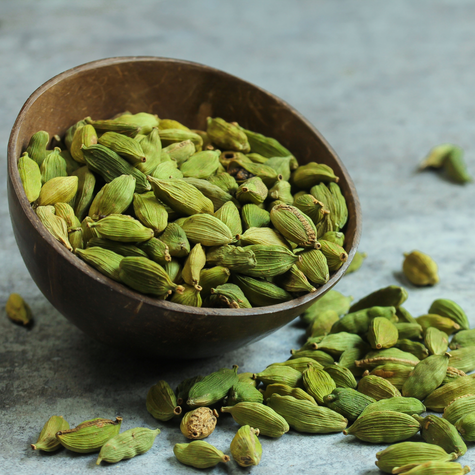
Cardamom is a highly aromatic spice native to the Indian subcontinent and Indonesia, known for its strong, sweet, and slightly spicy flavor with hints of citrus and mint. It comes from the seeds of plants belonging to the ginger family and is available in two main varieties: green cardamom, which is more common and prized for its delicate aroma, and black cardamom, which has a smokier, more intense flavor. Widely used in both sweet and savory dishes, cardamom is a key ingredient in Indian, Middle Eastern, and Scandinavian cuisines, adding depth to teas, curries, desserts, and baked goods. Beyond its culinary uses, cardamom is also valued in traditional medicine for its digestive, anti-inflammatory, and breath-freshening properties.
Coriander
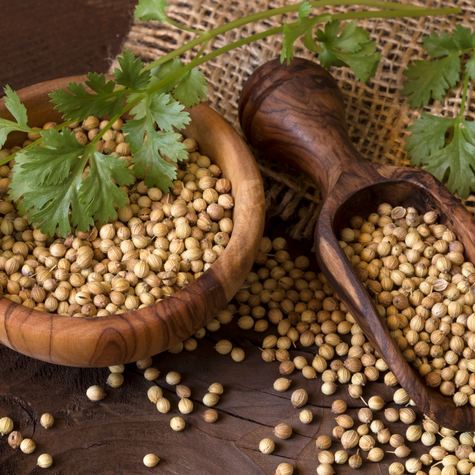
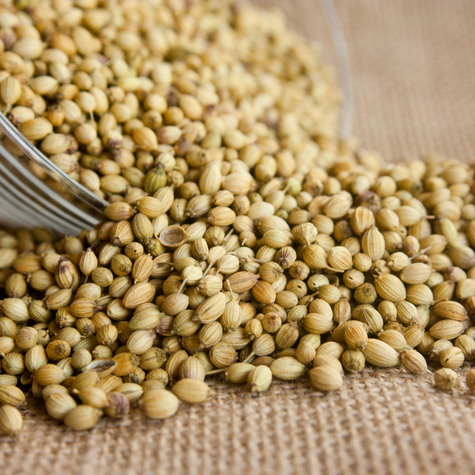
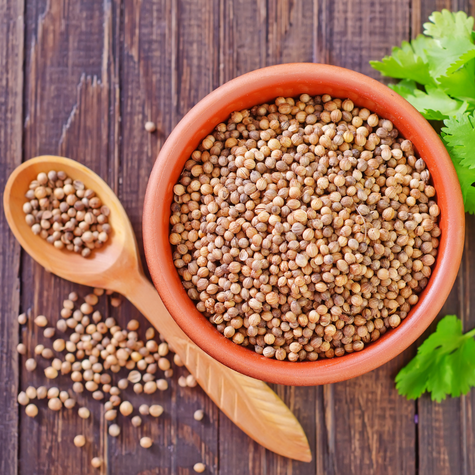
Coriander is a versatile herb and spice derived from the plant Coriandrum sativum. Its fresh leaves, known as cilantro, are widely used in cooking for their bright, citrusy flavor, while its dried seeds serve as a warm, nutty spice often ground into powders or used whole. Coriander is a staple in many global cuisines, including Indian, Middle Eastern, Latin American, and Southeast Asian dishes, enhancing everything from curries and soups to salads and marinades. Besides its culinary appeal, coriander is appreciated for its potential health benefits, such as aiding digestion, reducing inflammation, and providing antioxidants. Its distinct aroma and flavor make it a beloved ingredient in kitchens worldwide.
Mustard
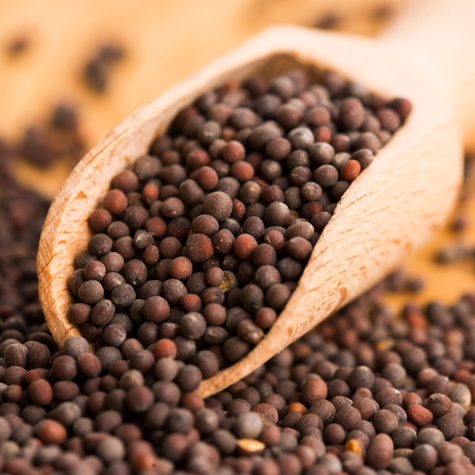
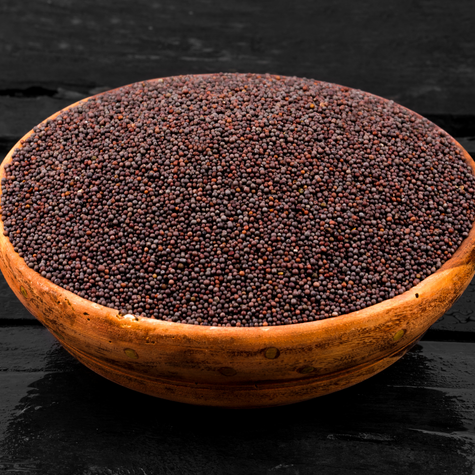
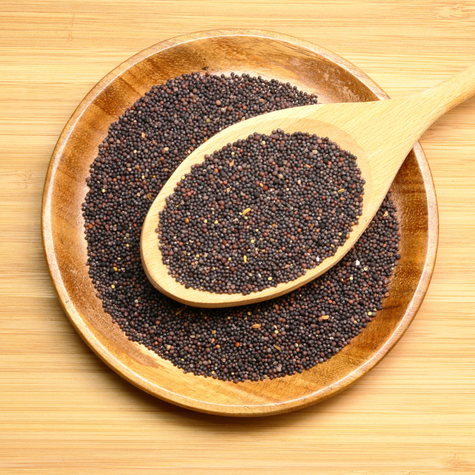
Mustard refers to both the seeds and the condiment made from them, derived from plants in the Brassica family. Mustard seeds come in different varieties—yellow, brown, and black—each with varying levels of pungency and heat. When ground and mixed with liquid, these seeds create mustard paste or sauce, a popular condiment used worldwide to add sharp, tangy flavor to foods like sandwiches, dressings, and marinades. Mustard seeds are also used whole or ground as a spice in cooking, especially in Indian, Mediterranean, and European cuisines, where they add depth and a slightly spicy kick to dishes. Beyond flavor, mustard seeds contain compounds that may have anti-inflammatory and digestive benefits.
Ready-to-Eat Products
Ready-to-eat (RTE) products are food items that require no further preparation or cooking before consumption, making them convenient options for quick meals or snacks. These products come in a wide variety, including packaged salads, sandwiches, frozen meals, snack bars, and pre-cooked meats. RTE foods are popular for their time-saving benefits, especially for busy individuals or those without access to full kitchens. They are designed to be safe, shelf-stable, or refrigerated, often featuring preservatives or specialized packaging to maintain freshness and prevent contamination. While convenient, it’s important to check labels for nutritional content and additives, as some RTE products can be high in sodium, sugars, or preservatives.



Walnuts
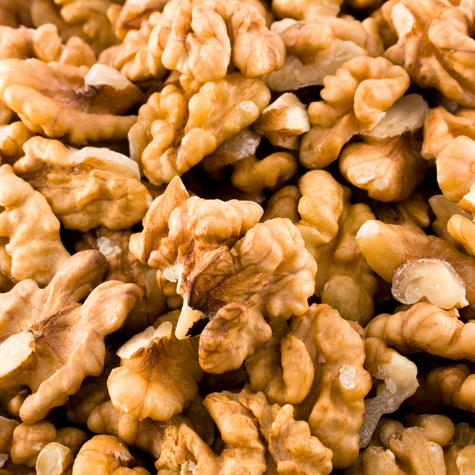
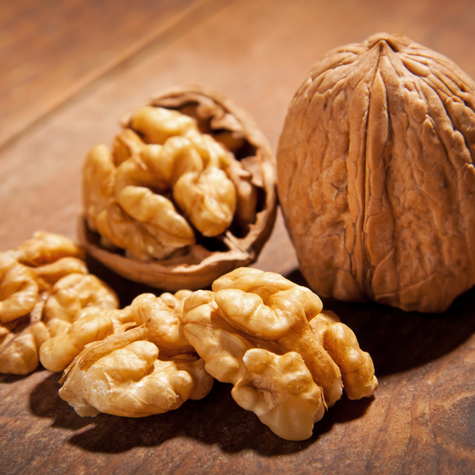
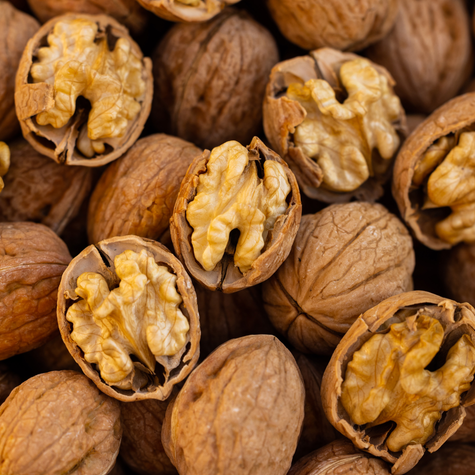
Walnuts are nutrient-rich tree nuts known for their distinctive brain-like shape and rich, slightly bitter flavor. They are packed with healthy fats, especially omega-3 fatty acids, along with protein, fiber, vitamins, and minerals like magnesium and antioxidants. Walnuts are widely used in cooking and baking, added to salads, desserts, and snacks, or eaten on their own as a nutritious treat. Regular consumption of walnuts is linked to heart health, improved brain function, and anti-inflammatory benefits. Their crunchy texture and rich taste make them a popular choice for both sweet and savory dishes worldwide.
Spices
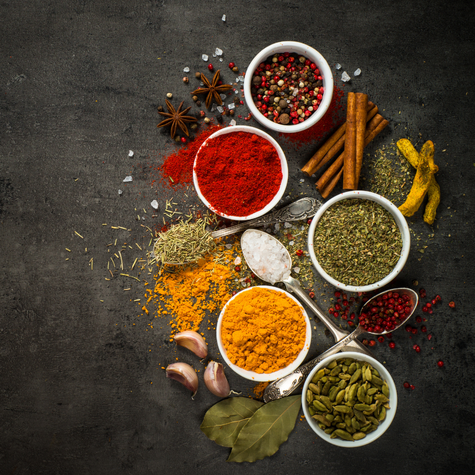
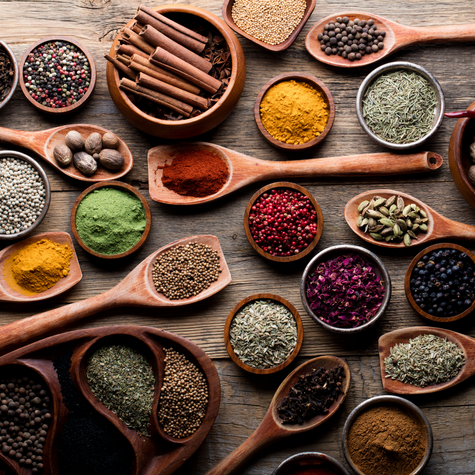
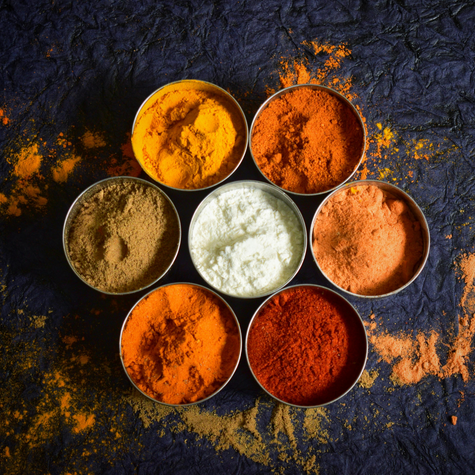
Spices are aromatic substances derived from seeds, bark, roots, or fruits of plants, widely used to enhance the flavor, color, and aroma of food. They have been treasured throughout history not only for culinary purposes but also for their medicinal properties and preservative effects. Common spices include cinnamon, cloves, black pepper, turmeric, cumin, and nutmeg, each bringing unique tastes and health benefits such as antioxidant, anti-inflammatory, and digestive support. Spices play a vital role in global cuisines, adding complexity and character to dishes while also connecting cultures through trade and tradition.
Basmati Rice
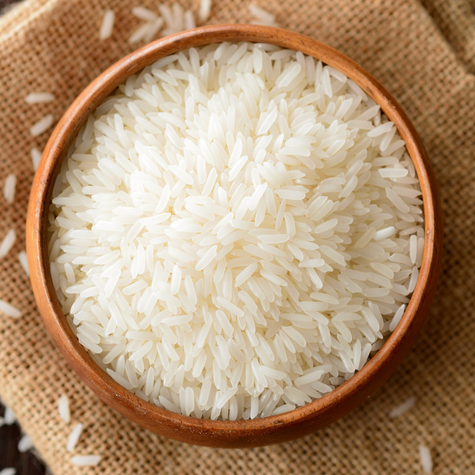
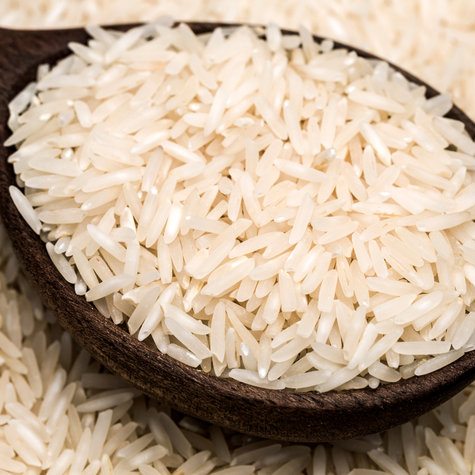
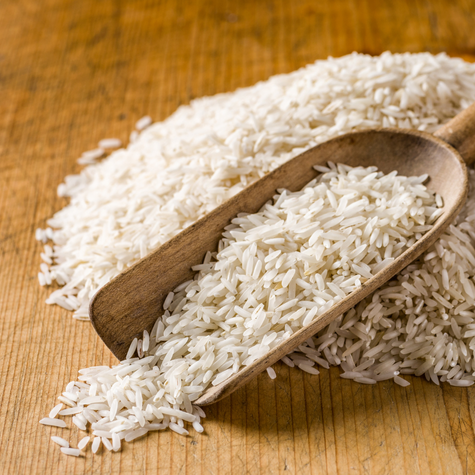
Basmati rice is a long-grain, aromatic rice variety primarily grown in the Indian subcontinent, especially in India. Known for its distinctive fragrance, delicate flavor, and fluffy texture, Basmati rice is a popular choice in many traditional dishes like biryani, pulao, and pilaf. The grains are slender and elongate significantly upon cooking, which enhances both the visual appeal and texture of meals. It is available in both white and brown varieties, with white Basmati being more commonly used in everyday cooking.
What sets Basmati rice apart from other rice varieties is its unique combination of aroma and grain length, which is naturally developed through traditional cultivation practices and aging. Aged Basmati rice, often stored for 1 to 2 years before sale, has an even more pronounced flavor and superior cooking quality. Rich in carbohydrates and low in fat, Basmati is also gluten-free, making it suitable for a wide range of dietary needs.
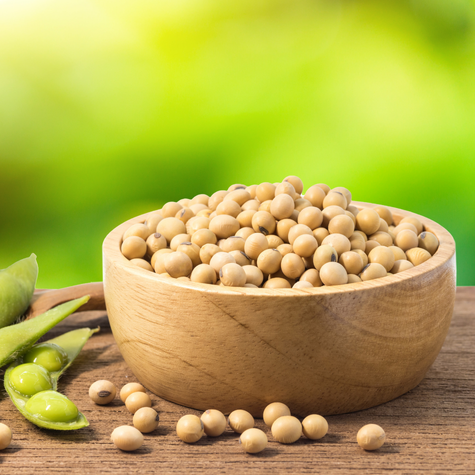
Soybean
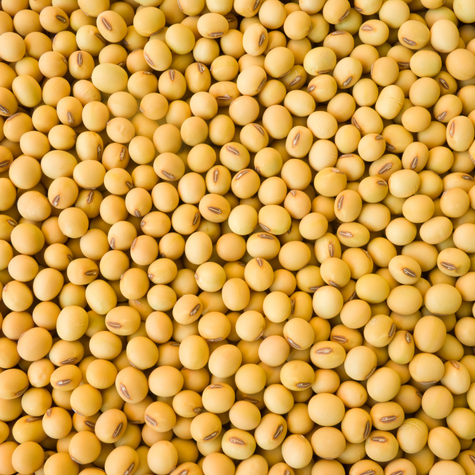
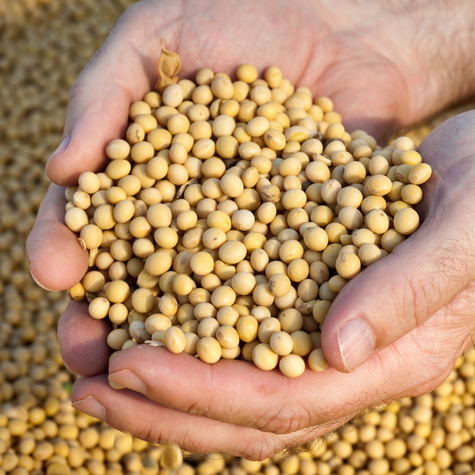
Soybeans are a highly versatile and nutritious legume widely cultivated around the world, particularly in countries like the United States, Brazil, and Argentina. Rich in protein, fiber, and essential nutrients such as iron, calcium, and omega-3 fatty acids, soybeans are a key ingredient in many food products including tofu, soy milk, tempeh, and soy flour. Beyond human consumption, they are also a major source of animal feed and play a critical role in industrial applications like biodiesel production. Their ability to fix nitrogen in the soil makes them valuable in crop rotation, contributing to sustainable agricultural practices.
Corn Products
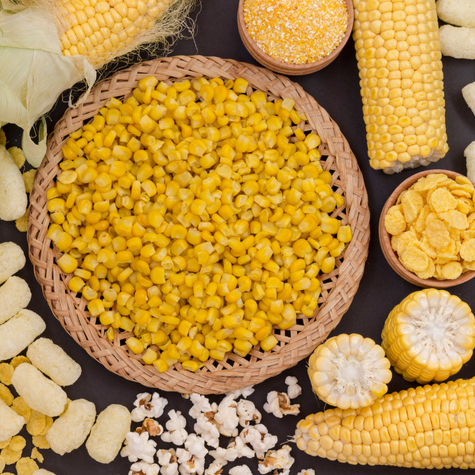
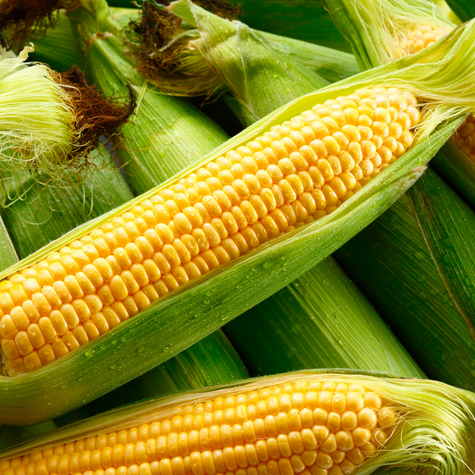
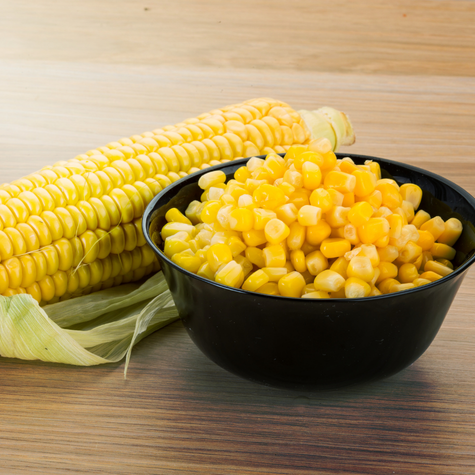
Corn, also known as maize, is one of the most widely grown cereal crops globally and is used to produce a variety of products for food, industrial, and animal feed purposes. Common food products made from corn include cornmeal, corn flour, corn oil, cornstarch, tortillas, popcorn, corn syrup, and breakfast cereals. In addition to its role in human diets, corn is a major component of livestock feed. Industrially, it is used in the production of biofuels like ethanol, as well as in biodegradable plastics and other bioproducts. Corn derivatives are also found in many processed foods as thickeners, sweeteners, and stabilizers.